A bridge with blue porcelain handrail overlooks a canal at Plaza de España in Seville, Spain.
When you’re celebrating a milestone—an anniversary, a big birthday, or another life event that calls for something truly special—only an extraordinary journey, like a Mediterranean cruise on s small ship will do. That’s where this Windstar cruise from Barcelona to Lisbon comes in. From the whimsical curves of Gaudí’s architecture in Barcelona to the red-and-white arches of Córdoba’s Great Mosque, the soaring Gothic cathedral of Seville, and the vibrant souks of Marrakesh, each destination offers something unforgettable.
Small Ship Experience
Bustling Barcelona
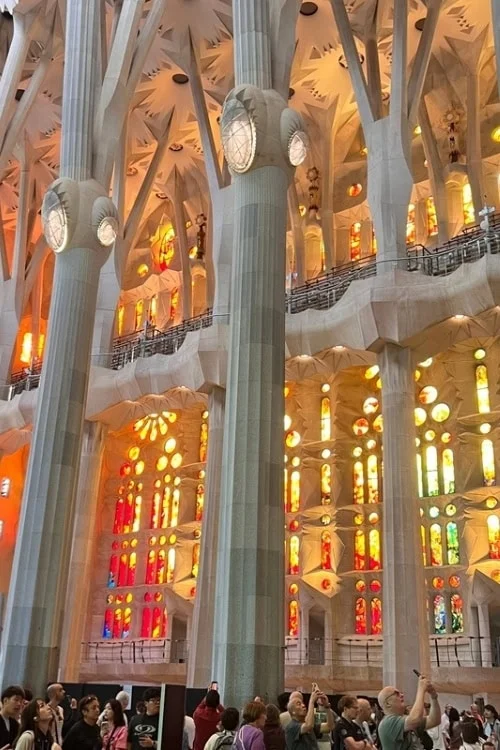
Photo by Marybeth Bond
We began our journey with two full days in Barcelona to take in Gaudí’s masterpieces, including the awe-inspiring Sagrada Família and his whimsical home-turned-museum. The port area of Barcelona, known as Barceloneta and Port Vell, offers numerous popular tapas restaurants.
One evening, we sipped Sangrias on the waterfront and watched locals out for their pre-dinner walks, taking in the sunset over the yachts. Then we popped into Cal Pep, a historic (since 1903) tapas restaurant in the area.
We sat at the bar and enjoyed the hustle and bustle of the kitchen and waiters, indulging in mussels, razor clams, fried calamari, and tuna tartar.
Over 11 magical days aboard the intimate Star Legend, you find yourself crossing two continents and exploring four fascinating countries—Spain, Gibraltar, Morocco, and Portugal. It’s a cultural deep dive, made even more meaningful by the small-ship luxury and personalized service that turns the journey into a true celebration
A Lazy Day at Sea Aboard the Star Legend
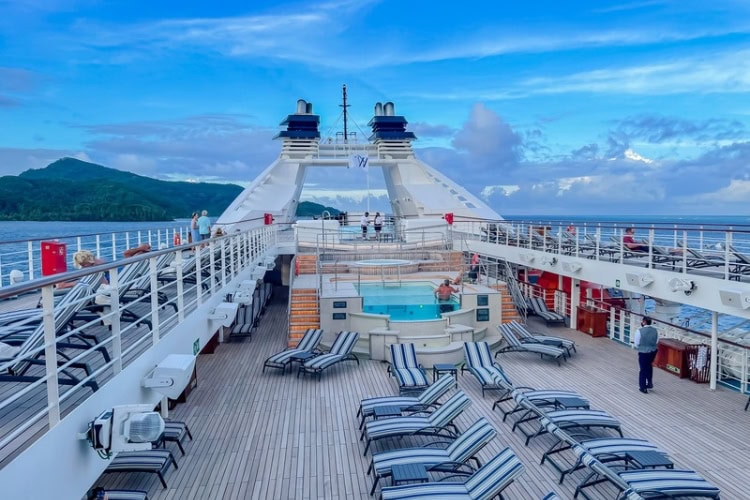
Once aboard the ship, we settled into our large stateroom, and the pace shifted with a blissfully relaxing sea day. I slipped easily into vacation mode, rotating between naps, reading, grazing at the buffet, and lounging by the pool.
Others booked spa treatments, played dominoes in the Yacht Club, swayed to live music across the deck, or joined enriching onboard lectures.
A Wide Selection of Cultural and Active Shore Excursions
But the real dilemma emerged at each port: how to choose among the incredible array of shore excursions awaiting us?
The options seemed endless—gliding through ancient streets on a Segway, discovering hidden gems on guided walking tours, or settling into comfortable bus rides with knowledgeable local guides.
For those seeking a more personalized experience, private car tours promised intimate explorations of each city’s secrets.
Sherry Tasting and Food Tours
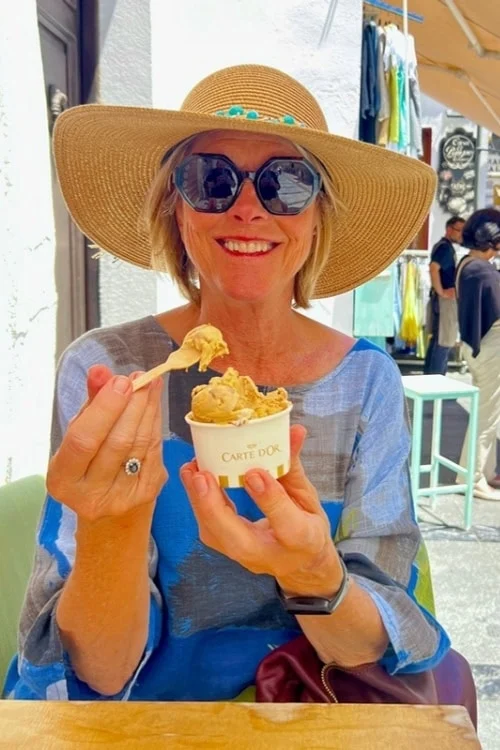
In Spain’s sherry triangle, we could sip our way through sun-drenched vineyards, learning the centuries-old craft from passionate vintners.
Food enthusiasts faced the delicious decision between wandering through bustling local markets, their stalls overflowing with exotic spices and fresh produce, or rolling up their sleeves for hands-on cooking demonstrations where local chefs shared family recipes passed down through generations.
Active, Athletic Cruisers
The energy and enthusiasm of our fellow cruisers were infectious—everywhere we looked, passengers were eagerly signing up for the most adventurous excursions available.
We watched as groups of spirited travelers set off each morning, some pedaling along dramatic coastal paths while others hopped onto Segways or laced up sturdy shoes and headed for trails that promised panoramic vistas.
The Ports of Call
We docked near the colorful colonial streets of Cartagena, spent two leisurely nights exploring Málaga’s vibrant tapas scene with a side trip to Cordoba.
We cruised into the British Overseas Territory of Gibraltar, enjoyed two full days wandering Cádiz’s historic quarters, got lost in the bustling souks of Marrakesh, and concluded with the hilltop charm of Lisbon’s cobblestone neighborhoods.
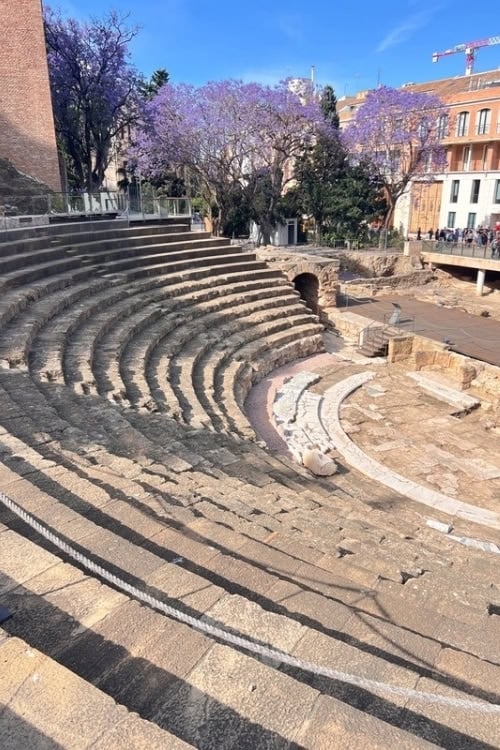
In Cartagena, we explored the recently restored Roman Theater—built into a hillside and capable of seating 6,000. In Malaga, our ship docked steps from chic waterfront shops and restaurants.
I wandered off solo one afternoon and came back with new jewelry, a purse, shoes, and breezy linen clothes—my husband was probably glad he missed that excursion.
Moorish Castles and Picasso’s Art in Malaga
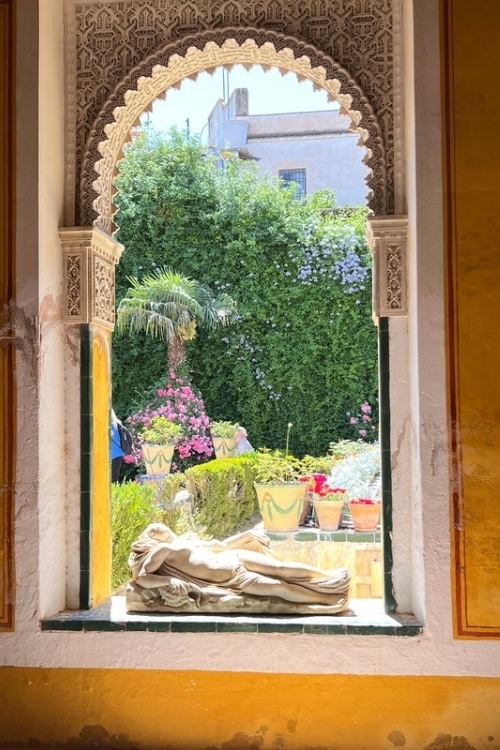
Malaga is in the center of the Costa del Sol. We wandered around the Gibralfaro Castle, an ancient Moorish fortress with breathtaking views of the city.
Next, we hiked up cobblestone streets to the huge Picasso Museum, highlighting his many styles and techniques with 155 works ranging from 1890 to 1973. Picasso was born in Malaga in 1881, where his family had deep Andalusian roots.
Andalusia: Where Muslim and Christian Influences Intertwine
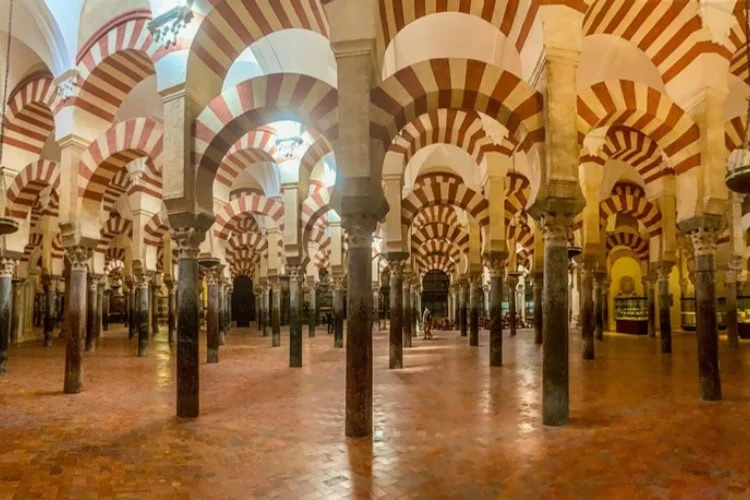
Photo by José Antonio Otegui Auzmendi, Pexels
From Malaga, we traveled inland to Cordoba, once the capital of Muslim Spain and the largest city in Europe a thousand years ago. Inside the 12th-century mosque—now a cathedral—we felt dwarfed by the forest of red and white columns and their distinctive Caliphal arches.
We spent the afternoon meandering through cobblestone streets in the old Jewish Quarter, eventually settling on a tapas bar for lunch.
Tapas
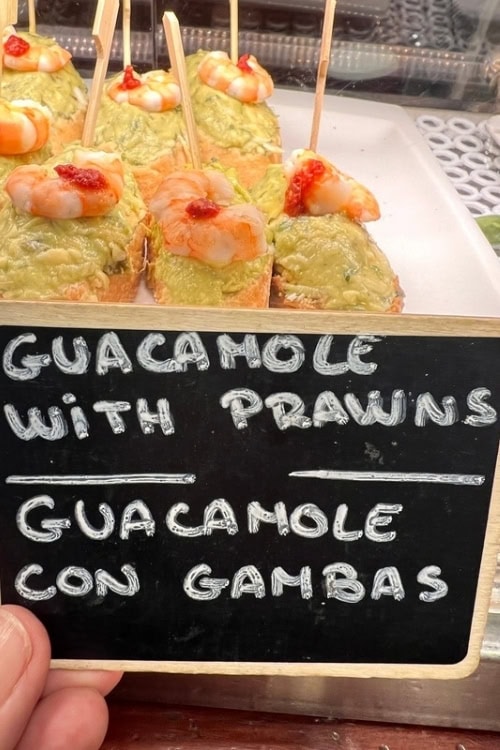
Tapas are small plates of appetizers. They can be almost anything – from seafood to olives or cheese to elaborately cooked dishes. My favorite was Tortillitas de Camarones—crispy, shrimp-filled fritters made with chickpea and wheat flour.
One of the most well-known Spanish tapas is the potato omelet made from eggs, potatoes, onions, and a tiny bit of oil.
What Makes Iberian Ham So Famous?
Throughout Andalusia, we fell in love with Jamón Ibérico—thin slices of acorn-fed, dry-cured ham that melt on your tongue. The ham comes from black Iberian pigs, bred and native to the Iberian Peninsula. The highest grade comes from pigs that roam wild in oak forests and feed primarily on acorns.
World-Class Culinary Excellence: Windstar and James Beard Foundation
Though we enjoyed many meals ashore, the food onboard was exceptional. Windstar has partnered with the James Beard Foundation since 2017, and the results are evident.
I shamelessly ordered a second round of smoked grilled octopus one evening—it was the best I’ve ever had. Breakfasts were just as memorable, with fresh fruit, rotating detox juices, and plant-based smoothies.
The Rock of Gibraltar
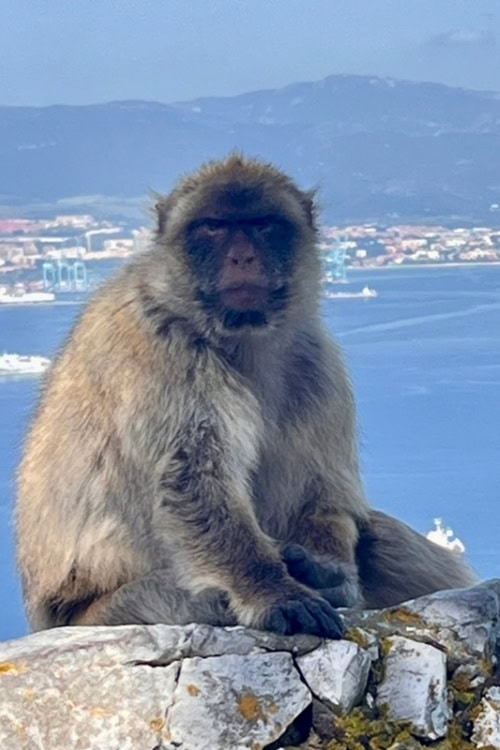
We docked in the British Overseas Territory of Gibraltar, where we rode a cable car to the top of the Rock and explored WWII-era tunnels. We also met the infamous Barbary Apes—wild, bold, and a bit too comfortable with tourists. We admired them from a respectful distance.
Cadiz, Seville, and Sherry Cellars
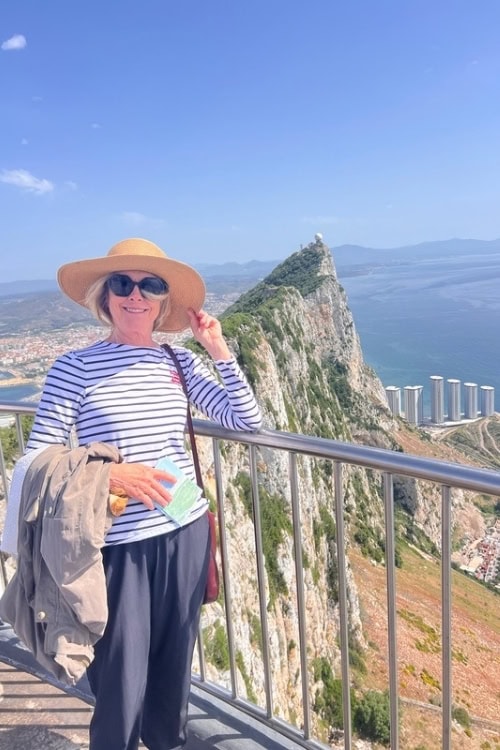
Next came Cadiz, Europe’s oldest city, where we strolled through plazas and toured the cathedral. Other cruisers traveled inland to a local wine cellar and sampled sherry wines.
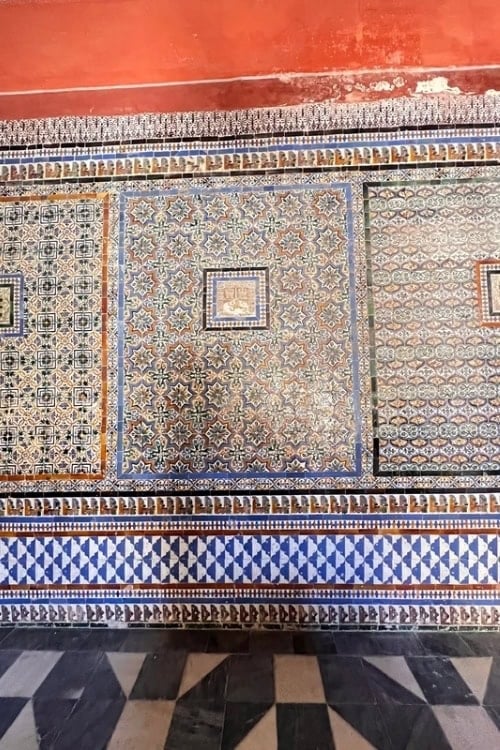
The next day, we traveled to Seville, a sun-drenched city perfumed by orange blossoms and bursting with Moorish, Gothic, and Baroque architecture. We explored the Real Alcázar, gawked at the massive Gothic cathedral (home to Columbus’ tomb), and wandered through the tile-clad Plaza de España.
African Continent: Morocco and Marrakesh
Then we crossed into Africa, docking in Casablanca before heading inland to Marrakesh. A local guide led us through the sensory overload of the old Medina—spices, textiles, leather goods, and handcrafted wares spilling from every stall.
At the serene Majorelle Gardens, we paused amid cobalt-blue walls and swaying palms before plunging back into the city’s vibrant chaos.
R&R at the End of the Cruise
“Are we ready for another sea day?” my husband asked as we boarded the ship after Morocco. I groaned but secretly welcomed the thought of more pampering, spa time, and an afternoon spent in a chaise lounge by the pool.
Lisbon, Portugal
Lisbon welcomed us with its iconic tiled facades and pastel-hued buildings—a charming finale to an unforgettable journey. Many cruisers stayed a few days in Portugal, taking tours offered by Windstar, but we had visited the country previously, so we prepared to fly home.
Windstar Mediterranean Cruise: A Perfect Way to Cross Continents and Cultures
I already missed the gentle motion of the ship, al fresco dinners under the stars, and the luxury of unpacking just once while exploring so much of the world. The trip struck the perfect balance between adventure and ease, celebration and connection.
If You Go
- Windstar is a luxury cruise line that operates small cruise ships to 50 countries. Their yachts carry 148 to 310 guests.
- Plan your shore excursions strategically. Research ports in advance and book popular excursions early.
- Picasso Museum in Malaga. Picasso’s 155 works are well curated, and the audio guide offers valuable insight into how his art evolved over the years.
- Pack layers for temperature variations. Southern Spain can be really warm during summer days but cool in the evenings.
- The best season for Southern Spain is late spring (April-May) and early fall (September-October). In these seasons, you’ll experience more authentic local life without the summer tourist crush or extreme temperatures.
This story, by Marybeth Bond was originally published in GoWorldTravel.
- 50+ Travel
- About Marybeth
- Adventure Travel
- Africa
- Alaska
- Alberta
- All Countries
- Alps
- ANTARCTICA
- Antarctica
- Arizona
- ASIA
- Australia
- AUSTRIA
- Bali
- Berlin
- Best Travel Apps
- Blog
- British Columbia
- British Columbia
- Burma / Myanmar
- California
- Cambodia
- Canada
- CANADA
- Canadian Rockies
- Cancun
- Carmel & Monterey
- Chicago
- Chile
- China
- Colorado
- Costa Rica
- Croatia
- Cruises
- Cruising
- Cultural Exploration
- Deals & Discounts
- Denmark
- Dining
- dog friendly
- Easter Island
- England
- EUROPE
- Family
- Family Travel
- Featured
- Fiji
- Florence
- Florida
- France
- full-image
- Galapagos
- Germany
- Girlfriend Getaways
- Giving Back
- Greece
- Hawaii
- Hawaii
- Home
- home page slider
- homepage
- Honduras
- Hong Kong
- Hotel Security Tips
- ICELAND
- Illinois
- India
- Indonesia
- Insurance
- Ireland
- ISLANDS
- Italy
- Japan
- Java
- Kenya
- Lake Tahoe
- Lima
- Lima
- London
- Louisiana
- Luxury
- Luxury
- Machu Picchu
- Marybeth's Media Credentials
- Massachusetts
- Mexico
- Montreal
- Nashville
- National Geographic Travel Books
- Nepal
- Nevada
- Nevada
- New Caledonia
- New Mexico
- New Orleans
- New York City
- New Zealand
- Nicaragua
- NORTH AMERICA
- North Carolina
- Norway
- Oahu
- Ohio
- Packing Pointers
- Palm Springs
- Palm Springs
- Panama
- Paris
- Peru
- Pets
- Quebec
- Recipe
- Recommended Travel Companies
- Roatan Island
- Romance
- Russia
- Safety Tips
- San Diego
- San Francisco
- sarasota
- Seattle
- Senior Travel
- Solo Travel Tips
- SOUTH & CENTRAL AMERICA
- South Africa
- Spain
- Student Travel Tips
- Surviving Overnight Flights
- Sweden
- Switzerland
- Sydney
- Tanzania
- Texas
- TIPS
- Travel
- Travel Life Lesson
- Travel Magazine
- Travel Statistics
- Turkey
- Uncategorized
- Utah
- Utah
- Videos
- Vietnam
- Volunteer
- Washington
- Wine Country
- Women travel
- Women Travel
- Wyoming
