Even the most experienced travelers need help packing and are constantly learning new travel tips.
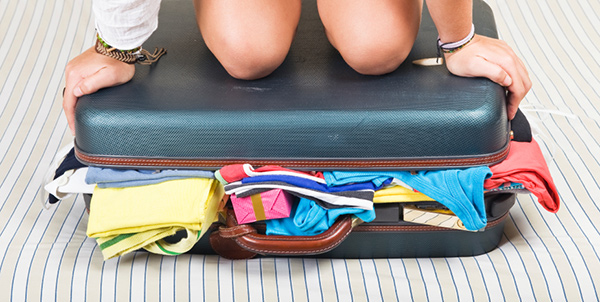
Packing tips
Start to pack early. Don’t wait until the night before you leave.
My check list of what I’ve forgotten on past trips:
- a power strip to plug in several electronic devices when there aren’t enough, conveniently located, electrical outlets in a room of your itinerary in your luggage,
- a bathing suit for hot tubs and jacuzzis,
- cell phone, camera, laptop charger cords,
- washcloth (many hotels overseas do not provide them),
- large safety pin or clothespin to fully close hotel curtains, that, annoyingly, do not quite close in the middle,
- a rubber door stopper for added security in hotel rooms,
- duct tape for all sorts of repairs to broken or torn backpacks, purses, sandals, sunglasses or luggage,
- empty Zip Lock bags for dirty laundry or a wet bathing suit,
To Do Before You Go
1. Call your credit card company
to add a “Travel Alert” to your account. So when the bank sees ATM debits and credit card charges from overseas they’ll accept them. Ask what your daily limit is for ATM withdrawals.
2. Call your cell phone carrier
and add the International Plan. The charge can be pro-rated, so make a note to call and cancel it as soon as you get home. Most importantly, ask how much each minute will cost if you call from your destination to the USA. How much will text messages cost? If you plan to use SKYPE then turn off the phone (use Airplane Mode), or you’ll be charged minutes for every phone message and text sent to you.
Note: Travel to Canada is like traveling overseas: it is long distance to call from Canada to the USA and beware you may find surcharges on your credit card for “foreign currency exchanges.”

3. Go to the bank
and get lots of crisp, clean $1 bills to use for tips and shopping (when the vendor doesn’t have change). I take a couple hundred dollars in US currency, which I keep in my money belt or lock in my suitcase in my room, if a safe isn’t available
4. Make copies of your passport
and hide it in my luggage and leave copies of your credit cards with someone at home in case they are lost or stolen.
5. Make a list of medications
that you currently take. Write both the product name and the pharmaceutical name of the drug – in some countries your medicine may have a different name. Print out this document to stash in your luggage and also send a copy to your smartphone. If you have a medical emergency, doctors will need to know exactly what medication you are taking.